A Vast Collection
Sea Life London Aquarium houses one of the most diverse collections of marine life in the United Kingdom. With over 600 species represented, the aquarium covers an enormous range of marine environments, from the cold waters of the British coastline to the warm tropical seas of the Indo-Pacific and the frozen habitats of the Antarctic.
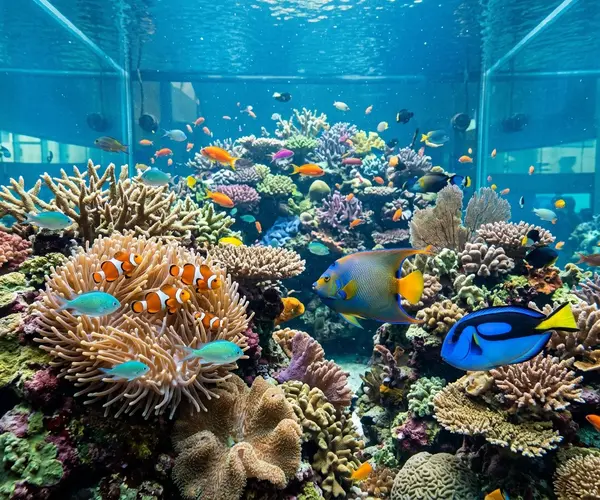
The 6,000 individual creatures living within the aquarium include species that range from a few centimetres long to several metres. Large sharks patrol the main tank, rays glide through open water displays, and thousands of smaller fish fill the reef tanks with movement and colour. The diversity means that every visit reveals something different, whether you are watching a predator cruise through open water or spotting a camouflaged creature hiding among coral.
What Lives There
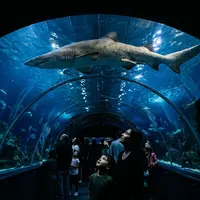
The largest inhabitants are the sharks, including sand tiger sharks, blacktip reef sharks and bowmouth guitarfish. These animals occupy the largest tanks in the aquarium and are visible through the Shark Walk glass tunnel, which runs beneath their habitat.
Rays are another prominent group, with southern stingrays and cownose rays among the species on display. Their graceful movement makes them one of the most mesmerising groups to watch, particularly when they pass directly overhead in the tunnel sections.
The jellyfish displays are among the most visually striking in the aquarium. Several species are kept in specially designed cylindrical tanks with colour-changing lighting that highlights their translucent bodies. Moon jellyfish, compass jellyfish and other species pulse through the water in displays that many visitors describe as hypnotic.
Beyond Fish
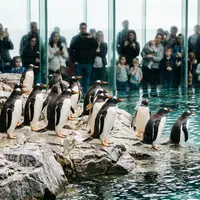
While fish make up the majority of the species count, Sea Life London also houses a significant number of non-fish marine species. Green sea turtles, Gentoo penguins, octopuses, crabs, lobsters, starfish, anemones and various species of coral all contribute to the overall diversity.
The rockpool touch experience allows visitors to handle some of the hardier species, including starfish and crabs, under supervision from the aquarium's education team. This hands-on element adds a tactile dimension to the visit that is particularly popular with younger visitors.
The 14 Themed Zones
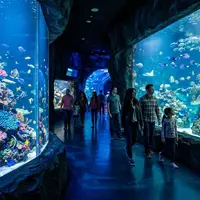
The aquarium organises its species across 14 themed zones, each representing a different marine habitat or theme. These zones guide visitors through a journey that begins with British marine life and progresses through tropical seas, rainforest waters, polar habitats and deep ocean environments.
Each zone is designed to recreate the conditions of its real-world counterpart as closely as possible. Lighting, water temperature, tank decoration and background sounds all contribute to the sense of moving between different parts of the world's oceans. The transitions between zones are part of the experience, with corridors and walkways designed to build anticipation for what comes next.
Conservation and Breeding
The species count at Sea Life London is not static. The aquarium participates in breeding programmes for several species and works with the wider Sea Life network of aquariums on conservation initiatives. Some species on display are part of managed breeding populations that contribute to the long-term survival of their wild counterparts.
The aquarium also rescues and rehabilitates marine animals, occasionally housing creatures that have been found injured or stranded around the British coast. These temporary residents add to the overall species count while they recover before being returned to the wild.
A Living Collection
With over 600 species, Sea Life London offers a breadth of marine life that few UK attractions can match. The combination of large, dramatic species like sharks and turtles with hundreds of smaller, less immediately obvious creatures creates an environment where repeated visits continue to reveal new details. Many regular visitors report noticing species they had previously overlooked, making the collection feel even larger than its already impressive numbers suggest.