London's Dark Side
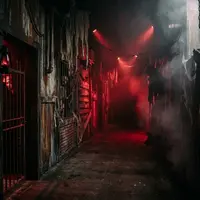
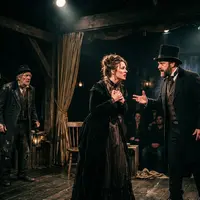
The London Dungeon takes the grim, violent and macabre episodes from London's long history and turns them into an immersive theatrical experience. Rather than presenting facts behind glass cases, the attraction puts you inside the stories. Live actors perform as historical characters, sets are designed to recreate the streets, rooms and dungeons of past centuries, and special effects add atmosphere and physical sensations to each scene.
The focus is exclusively on the darker chapters. There are no scenes about London's cultural achievements, architectural triumphs or scientific discoveries. Everything here is about plague, murder, treason, fire and punishment. It is history told through its most dramatic and disturbing moments.
Jack the Ripper
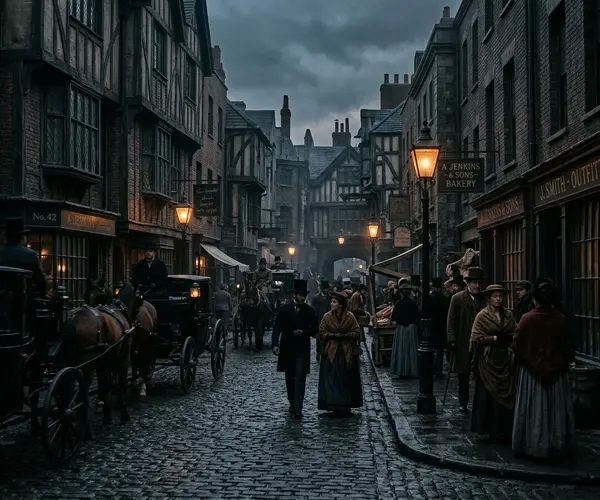
One of the most popular sections recreates the Whitechapel murders of 1888. You walk through the narrow, fog-filled streets of the East End as an actor playing a guide leads you through the territory where Jack the Ripper operated. The scene builds tension through atmospheric storytelling rather than graphic content, focusing on the fear that gripped the neighbourhood during that autumn.
The Ripper section is a good example of the London Dungeon's approach. It does not attempt to solve the mystery or present historical analysis. Instead, it drops you into the world of the story and lets the actors create an experience that is part education, part theatre and part scare attraction.
Sweeney Todd
The fictional demon barber of Fleet Street gets his own scene, set in a recreated barber shop where visitors are invited to take a seat. The actor playing Todd delivers a performance that balances menace with dark comedy, and the set design includes some of the attraction's most effective practical effects. The Sweeney Todd scene is often cited by visitors as one of the most entertaining in the entire experience.
The Great Plague
The plague section of the London Dungeon deals with the devastating outbreak of 1665 that killed an estimated 100,000 Londoners. Actors playing plague doctors in their distinctive beaked masks move through the audience, examining visitors and delivering grim diagnoses. The scene captures the terror and helplessness of a city overwhelmed by disease, with atmospheric effects recreating the sights and smells of plague-ridden streets.
Guy Fawkes and the Gunpowder Plot
The 1605 conspiracy to blow up Parliament is brought to life through a scene set in the cellars beneath the Houses of Parliament. An actor playing one of the conspirators reveals the plot, and the sequence builds toward the moment of discovery. This section makes effective use of confined spaces and low ceilings to create a sense of being underground, with barrels of gunpowder visible in the dim light.
The Great Fire of London
The fire that destroyed much of the city in 1666 is represented through a scene that uses lighting, heat and smoke effects to suggest the inferno that consumed thousands of buildings over four days. The storytelling focuses on how quickly the fire spread through the densely packed timber buildings and the chaos that followed as Londoners fled.
Other Scenes
Beyond the headline stories, the London Dungeon covers a range of other historical episodes. Scenes featuring medieval torture, the Tower of London, Henry VIII's executioner and various other criminals, monarchs and villains fill out the 19-show sequence. Each scene is relatively brief, lasting a few minutes, which keeps the pace moving across the full 90-minute experience and prevents any single story from outstaying its welcome.
The overall effect is a whistle-stop tour through the worst moments in London's past, performed with enough energy and dark humour to keep it entertaining rather than depressing. It is not a history lesson, but it does introduce visitors to stories and characters they might not have encountered before, often prompting further reading after the visit.